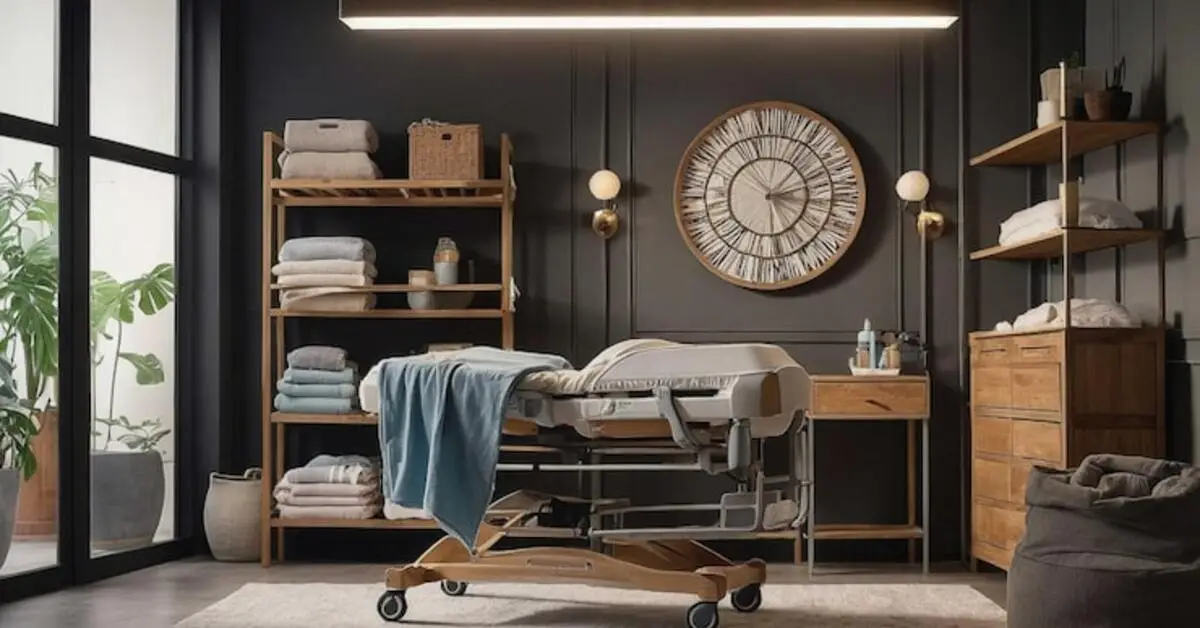
A keeping room is one of the most inviting spaces a homeowner can create. Originally designed as a cozy area near the kitchen where family members could gather, the keeping room has evolved into a multifunctional living space that promotes comfort, connection, and relaxation.
Today, many homeowners are rediscovering the value of a keepingroom because it offers a practical way to bring people together while maintaining an organized home environment. Whether you live in a small apartment or a spacious house, a well-designed keepingroom can become the heart of your home.
In this comprehensive guide, you’ll learn everything about the keepingroom, including its history, benefits, design principles, organization strategies, and the latest trends.
What Is a Keeping Room?
A keeping room is an informal living area traditionally located adjacent to the kitchen. Before central heating became common, families gathered in this room because it was warmed by the kitchen fireplace.
Today, the keepingroom serves as a comfortable gathering area where family members can:
- Relax after meals
- Socialize while cooking
- Read books
- Watch television
- Work remotely
- Entertain guests
Unlike a formal living room, a keepingroom emphasizes comfort and functionality over appearance.
Characteristics of a Modern Keeping Room
Modern keepingrooms typically include:
- Comfortable seating
- Warm décor
- Flexible furniture arrangements
- Easy access to the kitchen
- Family-friendly layouts
- Practical storage solutions
These features help create a welcoming environment that encourages daily use.
The History of the Keeping Room
The concept of the keepingroom dates back to colonial America. During that period, homes were often heated by fireplaces. Since the kitchen fireplace generated the most heat, families naturally gathered nearby.
The keepingroom became a central space for:
- Cooking assistance
- Family conversations
- Handcraft activities
- Children’s play
- Household management
As heating technology improved, many homes abandoned the keepingroom concept. However, modern open-concept designs have revived interest in these cozy gathering spaces.
Today, the keeping room represents a blend of historical charm and contemporary functionality.
Why the Keeping Room Is Popular Today
Modern lifestyles have increased demand for versatile spaces. Families often seek areas that support multiple activities without feeling formal or restrictive.
A keeping room provides exactly that.
Several factors contribute to its popularity:
| Benefit | Description |
| Convenience | Located near the kitchen |
| Flexibility | Supports various activities |
| Comfort | Encourages relaxation |
| Family Interaction | Promotes social engagement |
| Practicality | Maximizes usable space |
As homes become more multifunctional, the keeping room continues to grow in popularity.
Key Benefits of a Keeping Room
Improved Family Connection
One of the biggest advantages of a keepingroom is its ability to bring family members together.
While one person prepares meals, others can:
- Complete homework
- Read
- Chat
- Play games
This shared environment naturally encourages communication and bonding.
Enhanced Home Value
A thoughtfully designed keeping room can increase a home’s appeal to potential buyers.
Homebuyers often appreciate:
- Additional living space
- Flexible layouts
- Open-concept designs
- Functional family areas
These qualities may contribute positively to overall property value.
Flexible Functionality
A keeping room can serve multiple purposes:
- Reading nook
- Home office
- Entertainment space
- Conversation area
- Children’s play zone
Its adaptability makes it one of the most useful rooms in the house.
Essential Elements of a Keeping Room
Creating the ideal keepingroom requires careful planning.
Comfortable Seating
Comfort should always be the top priority.
Popular seating options include:
- Sofas
- Loveseats
- Sectionals
- Armchairs
- Window benches
Choose furniture that encourages people to stay and relax.
Warm Lighting
Lighting plays a critical role in establishing atmosphere.
Consider:
- Table lamps
- Floor lamps
- Wall sconces
- Dimmer switches
- Natural light sources
Layered lighting creates warmth and visual interest.
Storage Solutions
An organized keepingroom feels more inviting.
Storage options include:
- Built-in shelving
- Storage ottomans
- Cabinets
- Decorative baskets
- Floating shelves
These solutions reduce clutter while maintaining accessibility.
Choosing the Perfect Layout
A successful keeping room balances comfort, accessibility, and functionality.
Small Home Layout Ideas
For compact homes:
- Use multifunctional furniture.
- Select light colors.
- Utilize vertical storage.
- Keep pathways clear.
- Incorporate mirrors.
These techniques help maximize available space.
Large Home Layout Ideas
Larger homes offer additional flexibility.
Consider:
- Multiple seating zones
- Reading corners
- Built-in entertainment centers
- Statement fireplaces
- Area rugs for definition
These features create a cohesive yet spacious environment.
Best Furniture for a Keeping Room
Selecting appropriate furniture can dramatically improve functionality.
Recommended Furniture Pieces
| Furniture | Purpose |
| Sofa | Main seating |
| Accent Chair | Additional comfort |
| Coffee Table | Central gathering point |
| Ottoman | Storage and seating |
| Bookshelf | Organization and décor |
| Side Table | Convenience |
When choosing furniture, prioritize comfort, durability, and versatility.
Avoid overcrowding the room with unnecessary items.
Color Schemes That Work Best
Color influences mood and perception.
Popular keeping room color palettes include:
Neutral Tones
- Beige
- Cream
- Taupe
- Soft gray
These colors create a calm and timeless atmosphere.
Earthy Shades
- Olive green
- Terracotta
- Warm brown
- Sand
Earth-inspired colors promote relaxation.
Soft Modern Colors
- Sage green
- Dusty blue
- Warm white
- Muted charcoal
These hues add contemporary appeal without overwhelming the space.
Decorating Ideas for Every Style
A keeping room can reflect virtually any design preference.
Traditional Style
Traditional keeping rooms often feature:
- Rich wood furniture
- Classic patterns
- Elegant textiles
- Decorative molding
This style emphasizes warmth and sophistication.
Modern Style
Modern designs focus on:
- Clean lines
- Minimal clutter
- Neutral palettes
- Functional furnishings
The result is sleek yet comfortable.
Farmhouse Style
Farmhouse-inspired keeping rooms typically include:
- Rustic wood accents
- Cozy textiles
- Vintage décor
- Neutral colors
This style remains one of the most popular choices for homeowners.
Organizing Your Keeping Room Efficiently
Organization is essential for maintaining an inviting environment.
Daily Organization Tips
- Return items to designated locations.
- Use decorative storage containers.
- Limit unnecessary decorations.
- Rotate seasonal décor.
- Establish a cleaning routine.
Weekly Maintenance Checklist
| Task | Frequency |
| Dust furniture | Weekly |
| Vacuum floors | Weekly |
| Organize shelves | Weekly |
| Clean surfaces | Weekly |
| Review clutter | Weekly |
Consistent maintenance keeps the room functional and attractive.
Common Mistakes to Avoid
Even a beautiful keeping room can lose effectiveness if certain mistakes occur.
Overcrowding the Space
Too much furniture restricts movement and reduces comfort.
Ignoring Lighting
Poor lighting can make the room feel unwelcoming.
Choosing Style Over Comfort
The purpose of a keeping room is relaxation.
Always prioritize usability.
Lack of Storage
Insufficient storage quickly leads to clutter.
Poor Traffic Flow
Ensure people can move comfortably between the kitchen and the keeping room.
Keeping Room Trends for Modern Homes
Modern homeowners continue to adapt the keeping room concept.
Current trends include:
Smart Technology Integration
Features may include:
- Smart lighting
- Voice assistants
- Automated climate control
Sustainable Materials
Eco-friendly options are increasingly popular:
- Reclaimed wood
- Organic textiles
- Energy-efficient lighting
Multifunctional Spaces
Many keeping rooms now serve as:
- Home offices
- Learning spaces
- Entertainment zones
Nature-Inspired Design
Biophilic design elements include:
- Indoor plants
- Natural materials
- Large windows
- Organic textures
These trends help create healthier living environments.
For additional home design inspiration, explore resources from the American Society of Interior Designers.
Frequently Asked Questions
1. What is the main purpose of a keeping room?
The primary purpose of a keeping room is to provide a comfortable gathering area near the kitchen where family members and guests can relax, socialize, and spend time together.
2. Is a keeping room the same as a living room?
No. While both serve as gathering spaces, a keeping room is generally more casual, smaller, and closely connected to the kitchen.
3. Can a small house have a keeping room?
Absolutely. Even limited spaces can accommodate a keeping room through thoughtful furniture selection and efficient layouts.
4. What furniture should be included in a keeping room?
Essential furniture often includes comfortable seating, side tables, storage pieces, and lighting fixtures.
5. Are fireplaces necessary in a keeping room?
No. Although traditional keeping rooms often featured fireplaces, modern versions achieve warmth through design, lighting, and comfortable furnishings.
6. What colors work best in a keeping room?
Neutral, earthy, and soft contemporary colors generally create the welcoming atmosphere associated with a keeping room.
7. How can I make my keeping room more functional?
Use multifunctional furniture, add storage solutions, improve lighting, and maintain an organized layout to maximize functionality.
8. Does a keeping room increase home value?
While value depends on many factors, an attractive and functional keeping room can enhance buyer appeal and overall marketability.
Conclusion
The keeping room remains one of the most practical and welcoming spaces in modern homes. Combining historical charm with contemporary functionality, it offers a comfortable setting where family members and guests can gather, relax, and connect.
Whether you’re designing a new home or updating an existing one, investing in a thoughtfully planned keeping room can significantly improve daily living. By focusing on comfort, organization, proper lighting, and flexible design, you can create a space that truly becomes the heart of your home.
A well-designed keeping room is more than just another room—it is a place where memories are made, conversations flourish, and everyday life feels a little more connected.